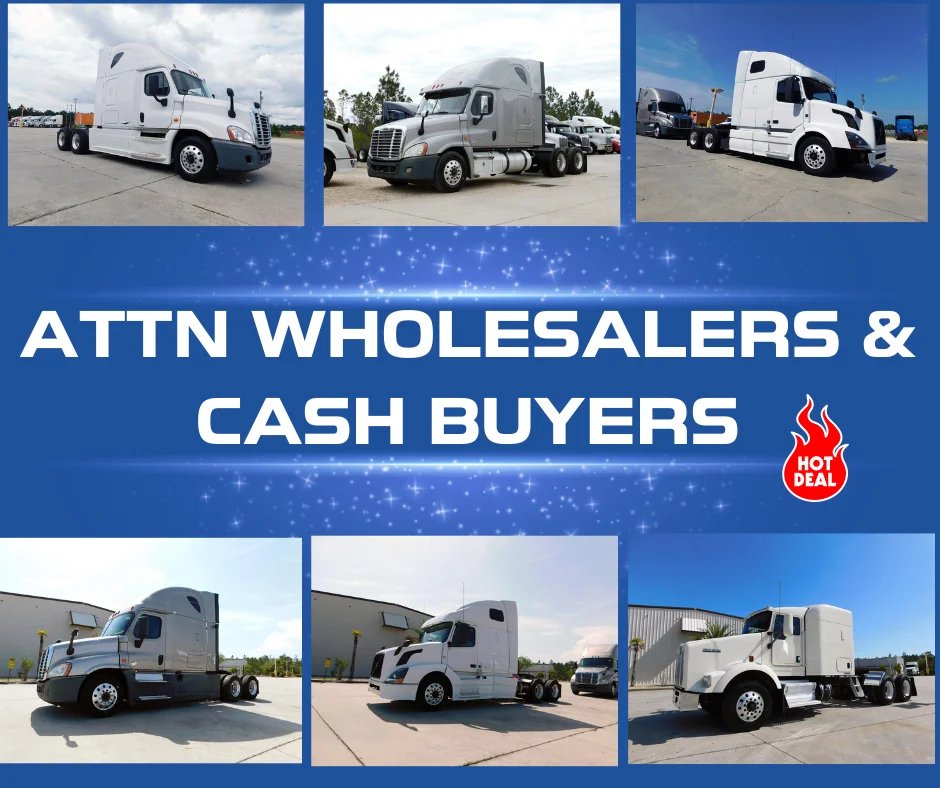
Purchasing a work truck is a significant investment, especially for businesses relying on reliable transportation for jobs. Whether you’re in construction, landscaping, or any service industry, understanding which features to prioritize can ensure you get the right vehicle for your operations. Here are seven essential features to consider when buying a work truck.
1. Payload Capacity
Payload capacity refers to the maximum weight your truck can carry, including cargo and passengers. It’s crucial to determine how much weight you’ll typically need to transport to select a truck that meets your operational demands. Check the truck’s specifications and ensure it can handle your average load without risking safety or performance.
Steps to Verify Payload Capacity:
- Identify the kinds of loads you will carry regularly.
- Review manufacturer specifications for both the truck itself and the bed design.
- Consider potential future growth in your business needs.
2. Engine Power and Fuel Efficiency
Engine power is vital for handling heavy loads and tackling tough terrains. Look for trucks with robust engines that also offer good fuel efficiency to help reduce operating costs. Balancing power against fuel efficiency is essential—more powerful engines often consume more fuel.
What to Consider:
- Choose a truck with a reputable engine brand known for reliability.
- Consider both gasoline and diesel options, as diesel engines typically offer better torque and longevity.
- Research real-world fuel economy ratings from other owners or reviews.
3. Towing Capability
If your work involves towing trailers or heavy equipment, it’s essential to assess the truck’s towing capacity. Higher towing capacities mean you can handle more substantial loads without straining the vehicle. Make sure to factor in the weight of what you’re towing along with the payload.
Verification Steps for Towing Capability:
- Check the manufacturer’s towing specifications.
- Look into towing packages, which often include enhanced cooling systems and hitch options.
- Consider the type of jobs you’ll be doing and choose a truck that comfortably exceeds your needs.
4. Bed Configuration and Size
The truck bed’s size and configuration are pivotal for your specific trade. Whether you need a flatbed, crew cab, or standard box, make sure you choose one that fits your typical cargo demands.
Choosing the Right Bed:
- Assess the types of materials you regularly transport (length, height).
- Explore optional features, such as bed lining, toolboxes, and tailgate designs.
- Consider how many passengers you need to accommodate alongside gear.
5. Safety Features
A work truck should prioritize safety. Look for vehicles that come equipped with advanced safety features, such as stability control, anti-lock brakes, and modern driver-assistance technologies. These features improve safety not only for the driver but for others on the road.
Key Safety Features to Check:
- Evaluate crash-test ratings from independent safety organizations.
- Investigate available safety packages or updates the manufacturer offers.
- Look for trucks with visibility enhancements, such as rearview cameras and parking sensors.
6. Comfort and Usability
Your work truck should also provide comfort, especially for long hours on the road. Features like comfortable seating, climate control, and ease of entry/exit can make a significant difference in daily use.
Comfort Features to Prioritize:
- Test drive different models to assess driving position and visibility.
- Look for ergonomic seating and dashboard layouts that streamline your work.
- Consider noise levels and ride quality during your test drive.
7. Resale Value and Warranty
Finally, consider the truck’s resale value and warranty terms. Some manufacturers offer better warranties than others, and certain models retain their value better in the used market. This can influence your overall cost over time.
Research Steps for Resale Value and Warranty:
- Investigate the brand’s reputation and model longevity.
- Read reviews on resale values from reputable automotive sources.
- Review warranty options: extended warranties might be worthwhile for high-mileage work trucks.
Conclusion
Investing in a work truck requires careful consideration of various features that align with your specific business needs. By prioritizing payload capacity, engine power, towing capability, bed configuration, safety features, comfort, and resale value, you can ensure that you choose a work truck that will serve you well for years to come.
FAQs
1. What is the average lifespan of a work truck?
While it varies by usage and maintenance, most work trucks can last anywhere from 10 to 20 years with proper care.
2. Should I buy new or used?
This depends on your budget and the reliability of the model you’re considering. New trucks come with warranties, while used trucks can be more affordable but may require more maintenance.
3. How do I determine the right cab size for my needs?
Consider how many employees need to travel with you regularly and if you require extra storage space for tools or equipment.
4. Are there specific financing options for work trucks?
Yes, many lenders offer financing tailored for commercial vehicles. Check with your bank or credit unions for specialized options.
5. What maintenance should I budget for after purchasing a work truck?
Regular oil changes, tire rotations, and brake inspections are crucial. Also, set aside funds for unforeseen repairs, especially as the truck ages.