Accurately pricing a used commercial vehicle is crucial for sellers and buyers. Whether you’re selling a fleet vehicle or looking to purchase one, understanding the factors that influence the price will help both parties reach a fair agreement. This step-by-step guide offers practical insights to effectively determine the right price for a used commercial vehicle.
Research Market Trends
Before setting a price, it’s essential to understand the current market dynamics. Market trends can significantly influence vehicle prices.
Check Online Marketplaces
- Browse platforms like Truck Paper, Commercial Truck Trader, and eBay Motors to find comparable listings.
- Note the asking prices for similar vehicles based on make, model, age, and mileage.
Consider Local Demand
Prices can vary based on geography. If a specific type of vehicle is in high demand in your area, adjust your pricing strategy accordingly.
Assess Vehicle Condition
The physical and mechanical condition of the vehicle will have a substantial impact on its value.
Conduct a Thorough Inspection
- Check the exterior for body damage, rust, and paint quality.
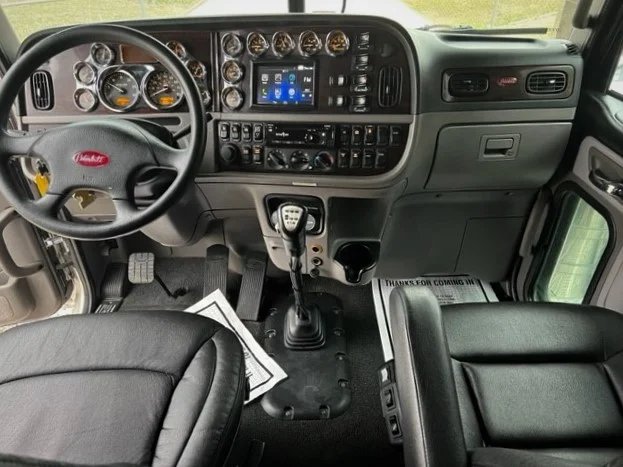
- Inspect the interior for wear and tear on seats and controls.
- Evaluate the engine and transmission performance.
- Look for maintenance records that demonstrate proper care.
Get a Professional Inspection
If you’re unsure about the mechanical condition, consider hiring a certified mechanic to perform a comprehensive inspection. This step can uncover hidden issues that might reduce the vehicle’s value.
Calculate Depreciation
Understanding how depreciation affects value is essential in pricing.
Use Depreciation Formulas
Commercial vehicles typically depreciate at a rate of about 15% to 25% per year. Adjust your price based on the vehicle’s age and initial purchase price:
- Identify the vehicle’s original MSRP or purchase price.
- Deduct the depreciation for each year it has been in service.
Evaluate Additional Features
Upgrades and additional features can add value to a used commercial vehicle.
Assess Modifications and Add-ons
- Consider modifications such as enhanced towing capability or bespoke storage solutions.
- Highlight additional technology, such as GPS or fleet management systems, which can appeal to buyers.
Consult Pricing Guides
Utilize industry pricing tools and guides to cross-check your preliminary price.
- Refer to resources like Kelley Blue Book (KBB) for vehicle valuations.
- Use Edmunds and NADA Guides for comprehensive price comparisons.
Set Your Price Strategically
Once you’ve compiled all the necessary information, it’s time to set the price.
Determine Initial Asking Price
- Consider setting your asking price slightly above your target selling price to allow room for negotiation.
- Ensure the final price aligns with local market trends, vehicle condition, and your research findings.
Communicate Effectively
When advertising the vehicle, clear communication is key.
- Be honest about the vehicle’s condition and any known issues.
- Provide high-quality photos and detailed descriptions to attract potential buyers.
Prepare for Negotiation
Be prepared for negotiation by knowing your lowest acceptable price and the points you are willing to compromise on.
Checklist Before Finalizing the Sale
- Verify all vehicle documentation, including clear title and any outstanding loans.
- Check for warranties or service contracts that may still apply.
- Ensure compliance with local regulations regarding vehicle transfer and licensing.
Concise Takeaway
Accurately pricing a used commercial vehicle requires thorough market research, condition assessment, and strategic communication. Consider leveraging professional inspections and industry pricing tools to enhance your pricing accuracy. By being informed and transparent, sellers can achieve a satisfactory sale while buyers can make confident purchasing decisions.
FAQs
What factors most influence a used commercial vehicle’s price?
Factors such as mileage, mechanical condition, age, and market demand significantly influence pricing. Additional features and modifications can also add value.
How can I determine the depreciation of my vehicle?
To determine depreciation, assess your vehicle’s original purchase price and subtract an estimated depreciation rate of 15-25% for each year of use.
Is a professional inspection worth the cost?
Yes, a professional inspection can identify issues that may affect the vehicle’s value, providing you with leverage in negotiations and ensuring you don’t undersell.
How do I set a competitive asking price?
Review similar vehicles in the market, factor in the condition and features of your vehicle, and use pricing guides to establish a reasonable initial asking price.
What should I do if the market is slow?
If the market is slow, consider adjusting your price competitively to attract buyers. Enhancing your advertisement with better photos and descriptions can also help.