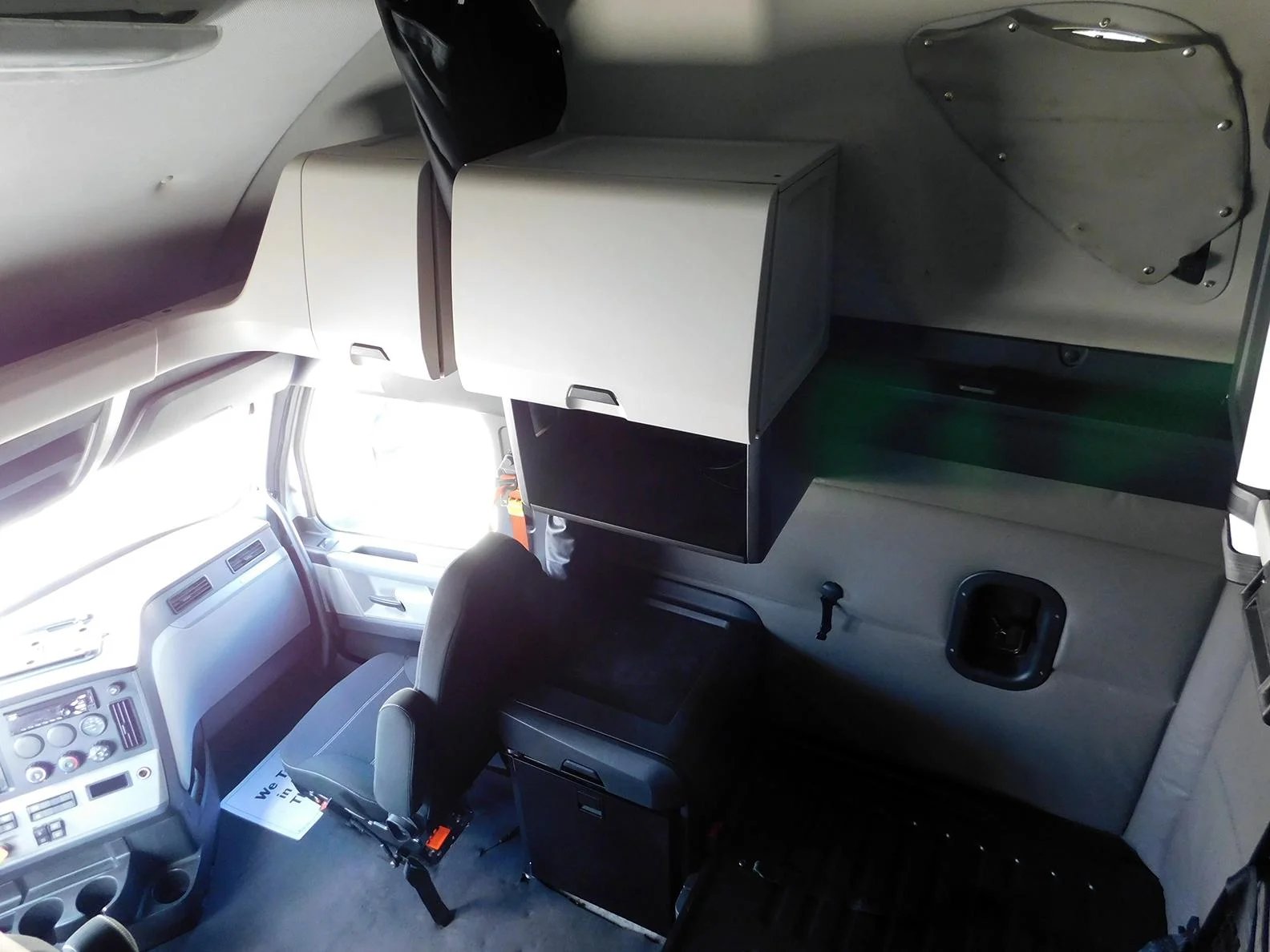
Purchasing a commercial vehicle requires due diligence to ensure you’re investing in quality equipment that meets the demands of your business. An effective commercial vehicle inspection checklist can help you systematically assess a vehicle’s condition, thereby informing your purchasing decision. Below, we outline essential elements to include in your checklist.
Visual Inspection: The First Step
Exterior Condition
- Check for visible rust, dents, or scratches on the body.
- Inspect windows for cracks or chips.
- Examine the condition of the bumpers, lights, and mirrors.
Tires and Wheels
- Inspect tires for uneven wear, cracks, and proper tread depth.
- Examine wheel rims for damage or corrosion.
- Ensure that the spare tire is inflated and undamaged.
Mechanical and Functional Checks
Engine and Transmission
- Check for leaks under the engine and around the transmission.
- Assess fluid levels, including oil, coolant, and transmission fluid.
- Inspect belts and hoses for cracks, fraying, or signs of wear.
Braking System
- Test the brakes for responsiveness and listen for unusual noises.
- Inspect brake pads and rotors for wear.
- Check brake fluid levels and condition.
Suspension and Steering
- Examine shock absorbers and struts for leaks.
- Test the steering wheel for ease of movement and listen for any grinding noises.
Operational Readiness
Electrical Systems
- Test all lights, including headlights, brake lights, and turn signals.
- Inspect the battery for corrosion and ensure its secure placement.
- Check power windows, locks, and wipers for proper functioning.
Interior Condition
- Assess the condition of the seats, dashboard, and flooring for damages.
- Ensure that the air conditioning/heating system functions properly.
Documentation and Compliance Checks
Service History
- Request maintenance records to verify regular servicing.
- Look for records of any major repairs or replacements.
Title and Registration
- Ensure the title is clear (no liens) before purchasing.
- Check for any recalls related to the vehicle model and confirm that they have been addressed.
Final Considerations
Structuring your inspection checklist not only aids in evaluating a potential purchase but also fosters negotiation. If you note any deficiencies, you can negotiate repairs or a price adjustment accordingly.
Takeaway
Ultimately, a comprehensive vehicle inspection checklist can help safeguard your investment and ensure that you are making a well-informed decision. Taking the time to conduct these checks will give you confidence in your purchase while reducing the risk of unforeseen repairs down the line.
FAQs
1. How do I know if I’m qualified to inspect a commercial vehicle?
If you lack expertise, consider hiring a qualified inspector. They can identify nuances that may be overlooked in a basic inspection.
2. Should I test drive the vehicle?
Yes, a test drive is essential. It provides insight into the vehicle’s performance under operational conditions, allowing you to assess acceleration, braking, and handling.
3. What should I do if I find issues during the inspection?
Document any issues and discuss them with the seller. You can negotiate repairs or adjustments based on your findings.
4. Is it necessary to check the emission system?
Yes, emissions checks can reveal whether a vehicle complies with local regulations, which is essential for commercial operations.
5. Can I negotiate the price based on inspection results?
Absolutely, use any findings from your inspection as leverage for negotiations to secure a better price or request repairs before purchasing.