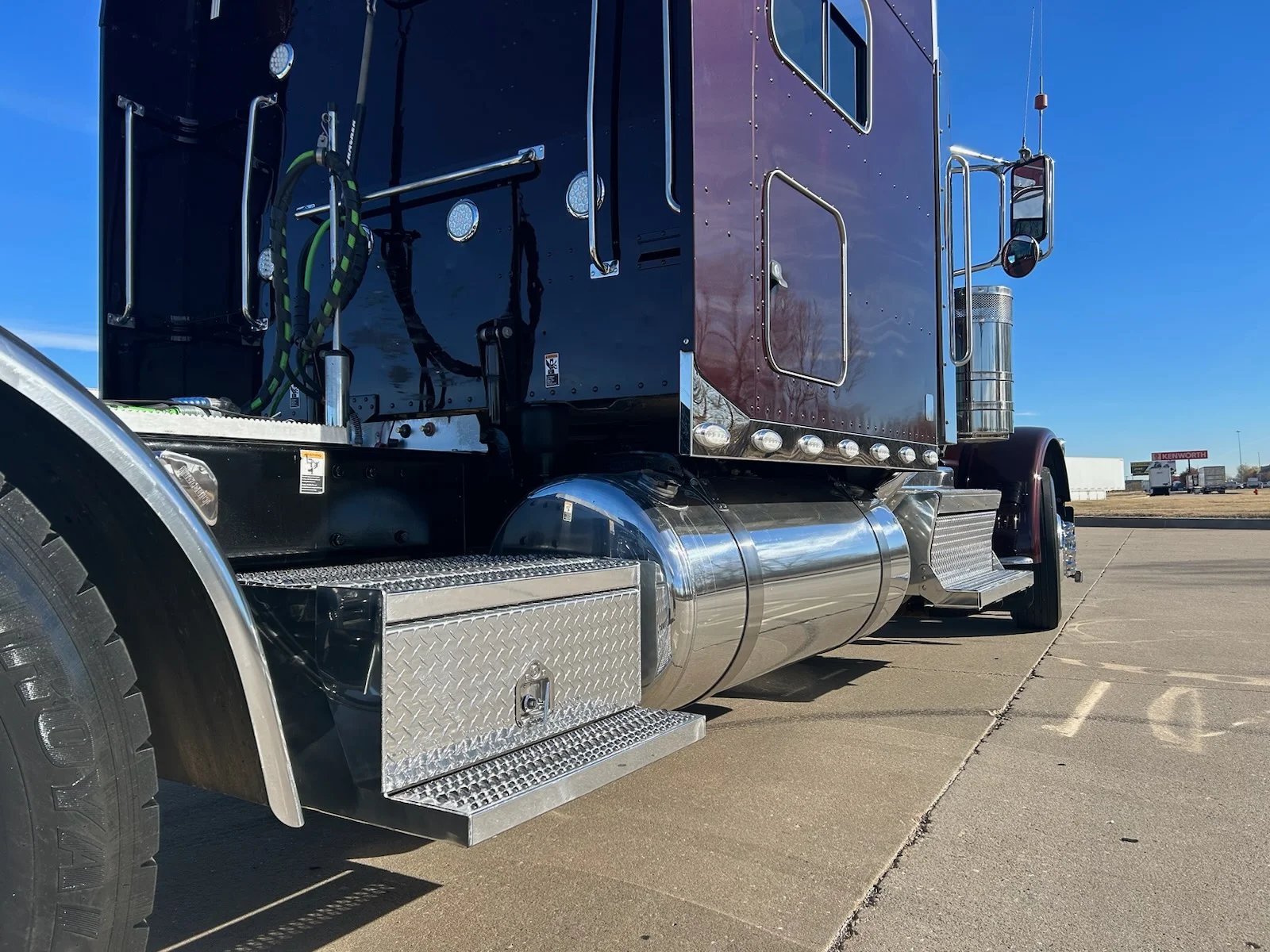
Investing in a refrigerated truck is a significant decision for any business involved in transporting perishable goods. These vehicles ensure products remain fresh during transit, but the right choice depends on several critical factors to meet your specific operational needs.
Key Considerations When Buying a Refrigerated Truck
1. Identify Your Temperature Requirements
Understanding the temperature range necessary for your specific cargo is crucial. Different products—like fresh produce, dairy, or frozen goods—require different temperature settings. Ensure your truck’s refrigeration unit can maintain these conditions consistently.
2. Size and Capacity
The size of the refrigerated truck is essential for maximizing efficiency. Evaluate your typical shipment volume and dimensions to determine whether a medium, large, or even a smaller unit would suffice. Consider the interior height, width, and overall cubic capacity to fit your needs.
3. Type of Refrigeration System
There are primarily two types of refrigeration systems in trucks:
- Direct-Drive Systems: These are powered by the truck’s engine and are generally less expensive to maintain.
- Carrier Units: These are independent units often more efficient for maintaining low temperatures over longer distances, but they come at a higher cost.
Analyze which system aligns with your operational needs and budget.
4. Fuel Efficiency
Refrigerated trucks consume more fuel than standard trucks due to their dual power needs for both driving and refrigeration. Investigate the fuel efficiency of the truck, as this will impact your running costs over time. Look for models with advanced technology designed to optimize fuel usage.
5. Durability and Construction Materials
The materials used in the truck’s construction affect its durability and insulation properties. Look for trucks made of materials like fiberglass or stainless steel, which are known for their longevity and thermal efficiency. Additionally, ensure that the body of the truck is well-insulated to minimize temperature loss.
6. Compliance with Safety and Regulatory Standards
Verify that the refrigerated truck meets federal and state safety regulations for transporting food products. Research guidelines provided by the USDA or FDA, as these can vary based on your location and the type of products being transported.
Practical Steps for Evaluation
Checklist for Inspecting a Refrigerated Truck
- Check the refrigeration unit’s performance and verify that it holds the required temperature.
- Inspect the truck’s body and insulation for damage, rust, or signs of deterioration.
- Review maintenance records and previous ownership history to gauge reliability.
- Examine tires and brakes for wear, as these are critical for ensuring safety.
- Inquire about warranty options and post-purchase support.
Financing and Budgeting for Your Purchase
Establish a budget considering the initial purchase price, insurance, and maintenance costs. Options may include financing solutions, leasing, or purchasing outright. Assess potential tax benefits associated with commercial vehicle purchases and consult a tax professional for guidance.
Frequently Asked Questions
1. What is the average lifespan of a refrigerated truck?
The lifespan of a refrigerated truck varies but typically ranges from 10 to 15 years if well-maintained.
2. Can I convert a standard truck into a refrigerated truck?
Yes, but the conversion can be expensive and complex. It’s generally more economical to purchase a specially designed refrigerated truck.
3. Are there specific brands known for reliability in refrigerated trucks?
While specific brand preferences may vary, research customer reviews, and industry reports for insights into reliability and durability.
4. Is it necessary to have a separate cooling unit?
While some trucks come with integrated cooling systems, standalone units can offer better efficiency and serve as a backup in case of engine failure.
5. What kind of maintenance does a refrigerated truck require?
Regular maintenance includes checking the refrigeration unit, monitoring seals, inspecting the body for leaks, and performing routine service on the engine and brake systems.
Conclusion
Buying a refrigerated truck requires careful evaluation of various factors, including temperature requirements, size, and refrigeration systems. Prioritize your business needs, conduct thorough inspections, and consider all operational costs before making a purchase. Making informed decisions helps ensure your investment supports your business effectively.