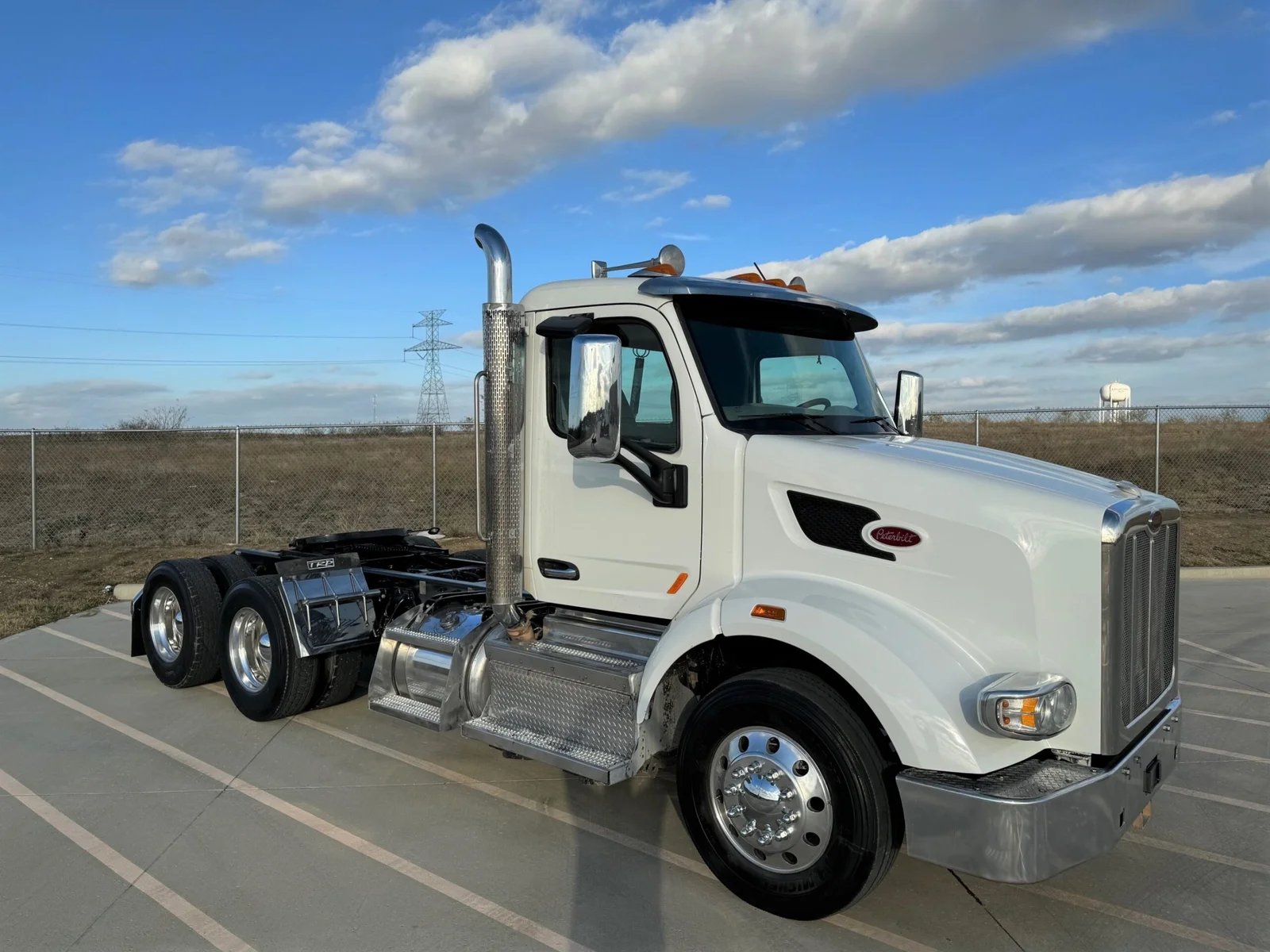
Leveraging fleet managers can significantly enhance your referral network in the trucking industry. By creating strategic relationships with fleet managers, commercial truck and trailer dealers, brokers, and independent buyers/sellers can increase their visibility, maximize lead generation, and ultimately close more deals. This article outlines practical steps for building a robust referral network using fleet managers, from identifying target buyers/sellers to maintaining a comprehensive CRM system. The aim is to create genuine connections that transcend mere transactions.
Key Takeaways
- Understanding the role of fleet managers in your referral network is crucial.
- Build a systematic process for identifying, qualifying, and nurturing contacts.
- Maintain a detailed CRM to track interactions and next steps.
- Use strategic outreach methods to engage fleet managers effectively.
- Focus on nurturing relationships to encourage referrals and repeat business.
1. Define Target Buyers and Sellers
Start by defining your target audience – this can include fleet operators, commercial truck dealerships, owner-operators, and other stakeholders in the trucking ecosystem. Consider the specific equipment types (semis, box trucks, trailers) that best fit your inventory and the various use cases they serve. Understanding the needs of your target market will guide your outreach and help you tailor your approach.
2. Identify Potential Fleet Managers
Identifying fleet managers requires a multi-faceted approach:
- Public Business Research: Use platforms like LinkedIn to search for fleet managers associated with trucking companies. Pay attention to industry-specific forums and directories.
- Referrals: Speak with your existing network to gather recommendations for reliable fleet managers. Consider trade associations and industry events where you can meet individuals who fit your target profile.
- Marketplace Inquiries: Engage with your community through platforms like TruckAndTrailerLeads to inquire about potential contacts. Many users in these markets are already engaging in buying and selling.
3. Verify and Segment Your Contacts
Once you have gathered potential leads, it’s critical to verify their business identity. To do this effectively:
- Check business licenses and registrations to confirm legitimacy.
- Use tools like LinkedHelper to manage connections and organize outreach.
- Segment your contacts based on equipment type, region, budget, timing, authority, and intent to purchase. This classification will make your follow-ups much more efficient.
| Contact Type | Description | Action Required |
|---|---|---|
| Verified Business Contact | Established relationship with a fleet manager or buyer. | Nurture relationship and position for future deals. |
| Qualified Opportunity | Contact showing interest in a specific inventory. | Schedule an inspection or follow-up conversation. |
| Set Appointment | A confirmed meeting to discuss potential sales. | Prepare product specifications and pricing information. |
| Closed Sale | Transaction has been completed. | Follow up for feedback and nurture for future referrals. |
4. Maintain a Comprehensive CRM
A robust CRM system is vital for tracking all interactions. You should record:
- Contact Source Dates: Log when and how you made contact.
- Permission Preferences: Note if they opted in for communication.
- Notes: Document key points from conversations.
- Next Actions: Schedule follow-up calls or emails.
- Deal Stages: Keep track of where each contact stands in the sales funnel.
Utilize software platforms that offer integrations with outreach tools, such as NinjaPinner or ScrapeBox. These can automate some tasks and ensure you have accurate data.
5. Qualification Process
To maximize your chances of closing a sale, you need to qualify potential buyers or sellers. Ask relevant questions early in the conversation:
- What specific equipment do you need?
- What is your budget range?
- When do you intend to make a purchase?
- Who is the decision-maker?
Genuine interest in their needs can foster trust and make your recommendations more effective.
6. Craft Winning First-Contact Messages
Your initial outreach is critical. Here’s a sample email template you might use:
Subject: Let’s Connect on Your Fleet Needs
Dear [Name],
I hope this message finds you well. My name is [Your Name] from [Your Company]. I specialize in helping fleet managers like yourself find the right trucks and trailers to meet your operational goals.
If you’re currently exploring options, I would love to set up a call or meet in person to discuss your needs and how we can assist. Feel free to reply with your availability.
Best Regards,
[Your Name]
[Your Contact Info]
Follow up respectfully, using another set of questions or confirming a scheduled appointment.
7. Nurture Relationships and Encourage Referrals
After establishing a connection, it’s essential to nurture those relationships. Keep the lines of communication open by:
- Sending regular updates on new inventory that matches their needs.
- Offering value-added content like industry insights or guides.
- Soliciting feedback on how you can improve your services.
Encourage satisfied customers to refer others. Providing incentives can further motivate them to spread the word.
Next Steps Implementation Plan
To put this into practice, follow these actionable steps:
- Create a list of target fleets and managers.
- Set up a CRM and begin logging contacts with detailed notes.
- Use outreach tools to streamline the messaging process.
- Engage in ongoing relationship-building activities, including attending industry events.
- Regularly review and refine your strategy based on feedback and results.
FAQs
How do I find fleets that might need my inventory?
Utilize industry networks, online platforms like TruckAndTrailerLeads, and participate in events to identify fleets in need of specific equipment.
Is it essential to have a formal CRM?
A structured system is crucial for tracking leads, but simple spreadsheets or even dedicated contact management apps can suffice in the early stages.
What if a fleet manager doesn’t respond to my outreach?
Be patient; try reaching out again after a week and vary your approach. Consider offering valuable insights in follow-ups.
How do I handle objections during follow-up conversations?
Listen attentively, acknowledge their concerns, and provide information or solutions that address those objections directly.