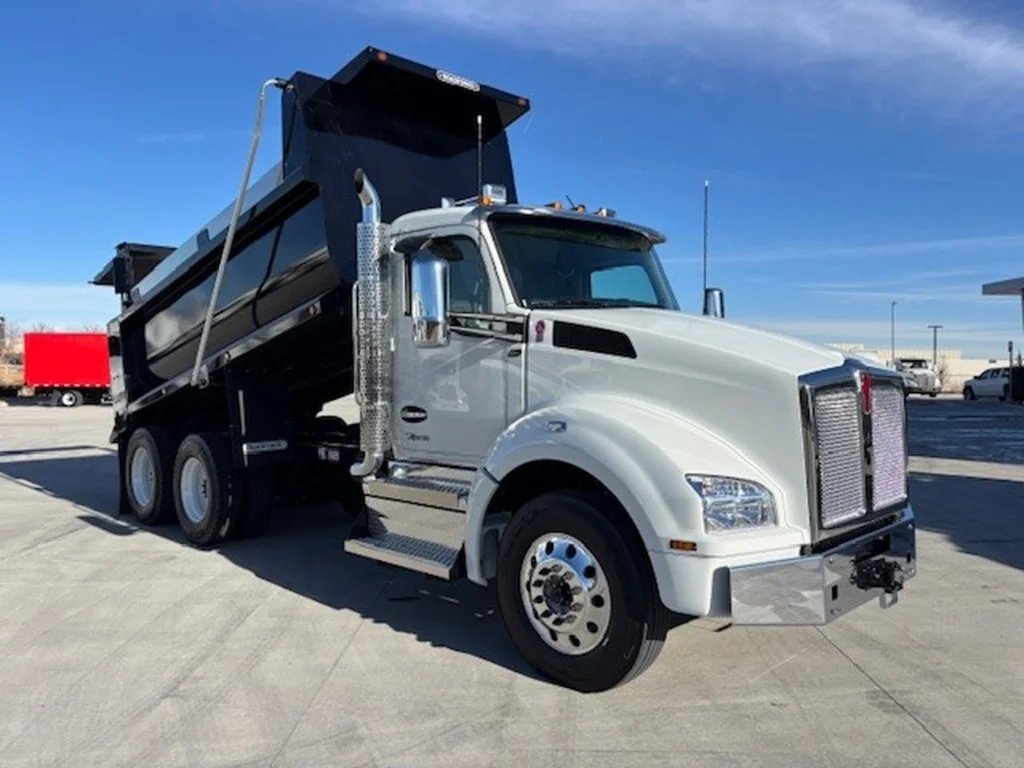
- Identify target buyers/sellers through detailed research based on equipment type and use case.
- Build a robust, accurate contact database to differentiate between basic contacts and accomplished leads.
- Maintain organized communication records within a CRM to track every interaction and deal stage.
- Utilize effective messaging and follow-up techniques to foster relationships and facilitate sales.
- Continue nurturing leads even after deals close to encourage repeat business and referrals.
To master commercial vehicle prospecting, fleet managers and dealers must evolve their approach by focusing on building relationships while leveraging proven strategies. This guide provides a structured methodology for finding real buying and selling opportunities, developing a trustworthy contact database, and ultimately moving qualified leads toward successful transactions.
Defining Target Buyers and Sellers
The first step in effective commercial vehicle prospecting is defining your target audience. Potential buyers may vary based on the type of vehicle—semis, box trucks, work trucks, or commercial trailers. Understand their specific needs and use cases. For example:
- Semis: Often used for long-haul transport, these buyers prioritize fuel efficiency and maintenance records.
- Box Trucks: Frequent in local deliveries, buyers may focus on loading capacity and user-friendly features.
- Work Trucks: Utility companies or contractors seeking durability and safety enhancements.
- Trailers: Depending on the cargo being transported, different specifications will be prioritized, such as weight capacity or style.
Start by identifying the niches in your local or regional market. Look for businesses within these segments that rely on commercial vehicles and are likely to upgrade or expand their fleets.
Research and Identify Fleets, Dealers, and Owner Operators
Commence the prospecting process through diligent research and verification. Utilize permitted public business data, referrals, trade events, and marketplace inquiries. Here’s a step-by-step approach to gathering these contacts:
- Business Registrations: Look through state databases or chambers of commerce for businesses that align with your target segments.
- Networking Events: Attend trade shows and industry meetups. Engage with attendees and collect business cards.
- Online Marketing: Leverage platforms like Facebook to find local groups centering on commercial vehicles or logistics, as these can provide leads on buyers and sellers. Refer to TruckAndTrailerLeads Facebook Lead Generation Articles for additional strategies.
Utilize tools like LinkedHelper and ScrapeBox to help automate segments of this process without infringing on privacy guidelines. Remember, ethical outreach dictates consent and respect for privacy.
Verifying Business Identity and Preferred Contact Channels
Once prospective contacts are identified, verification is crucial. Use the following techniques to confirm business identities:
- Web Presence: Check their website and social media profiles for authenticity.
- Local Reviews: Platforms like Google or Yelp can provide insights into their reputation.
- Networking Validation: Ask mutual connections to verify the lead’s legitimacy.
By using this research to establish contact information for your leads, you can populate your CRM effectively.
Building and Maintaining Your Contact Database
Create a robust and accurate contact database that differentiates between contacts, qualified opportunities, and confirmed sales. Use a Customer Relationship Management (CRM) system to track various fields, including:
- Contact Information: Name, company, phone number, email, and preferred contact method.
- Source of Lead: Where you found their information (networking event, referral, etc.).
- Permissions: Record consent to ensure compliance and respect for preferences.
- Interaction History: Notes, dates of last contact, and established next actions.
Nurturing Opportunities Through Qualification
As you build out your database, begin qualifying leads by establishing their specifications, budget, and urgency. Implement this structured qualification process:
- Engage in Conversations: Ask open-ended questions that uncover needs and timelines. Determine who the decision-maker is.
- Assess Specifications: Discuss the fleet’s requirements, such as payload capacity, efficiency, and safety features.
- Financial Viability: Understand their budget constraints to tailor your offerings adequately.
- Timing: Gauge their urgency in acquiring new vehicles.
A systematic approach ensures that you’re not just collecting names but genuinely addressing the needs of potential buyers.
Utilizing Effective Outreach and Follow-Up Techniques
When reaching out to leads, consider that first impressions matter. Draft effective first-contact messages by emphasizing the value you provide. A simple outreach template might look like this:
Subject: Tailored Solutions for Your Commercial Vehicle Needs
Hi [Contact Name],
I hope this message finds you well. My name is [Your Name] from [Your Company Name]. I noticed that [specific detail about their business] and wanted to reach out to see if we can support your fleet needs.
Would you be available for a brief call this week to discuss your current requirements and how we can assist you?
Best regards,
[Your Name]
[Your Contact Information]
Follow-up is often the key to success:
- Aim for a follow-up 3-5 days after your initial outreach.
- Craft friendly reminders that reiterate your offer and express willingness to help address their needs.
Matching Inventory to Needs and Closing the Sale
As a fleet manager or dealer, it’s vital to match your available inventory with the verified needs of your leads. Consider these steps to facilitate the sale process:
- Prepare Inventory Lists: Tailor your offerings by categorizing them based on specifications discussed during the qualification stage.
- Arrange Inspections: Set up an opportunity for prospects to inspect or test vehicles, showcasing any unique features that align with their requirements.
- Handle Objections Gracefully: Anticipate questions regarding pricing, features, or alternatives. Prepare factual responses and be open to negotiation.
Document every aspect of the interactions and agreements to maintain transparency.
Nurturing Repeat Business and Referrals
Once a deal is closed, don’t consider your relationship finished. Follow these steps:
- Post-sale Communication: Thank them for the business and check up on their satisfaction after a set period.
- Request for Referrals: Satisfied clients are often your best advocates. Ask for introductions to other businesses or feedback that you can utilize in marketing.
- Continued Value: Share updates on new inventory, promotions, or trends relevant to their business.
This way, you maintain ongoing communication, enhancing trust and potentially setting the stage for repeat business.
Common Prospecting Mistakes
In the journey to mastering commercial vehicle prospecting, avoid these pitfalls:
- Contacting Without Research: Never reach out without understanding the individual’s business first. It shows diligence and helps tailor your approach.
- Failing to Organize Data: A lack of a systematic method can lead to lost opportunities. Ensure data is accessible and well-maintained.
- Ignoring Follow-Up: Many deals are lost due to inadequate follow-up. A structured follow-up plan is critical to conversion.
- Not Leveraging CRM: Utilize your CRM fully to support the management of your contact lifecycle.
Sample Outreach/Follow-Up Wording
Initial Outreach Example:
Subject: How Can We Support Your Fleet?
Hi [Contact Name],
My name is [Your Name] from [Your Company Name]. I’ve been researching companies in the [specific industry] and noticed that you are active in expanding your fleet. We specialize in providing high-quality vehicles tailored for [specific need], and I’d love to discuss how we can assist your operations.
Would you be open for a quick chat this week?
Best,
[Your Name]
Follow-Up Example:
Hi [Contact Name],
Just wanted to circle back on my previous email. Have you had a chance to consider the vehicle options I shared? I’m here to help you find the right fit for your fleet.
Let me know if you have any questions.
Thanks,
[Your Name]
FAQs
Q: How can I build a prospect database ethically?
A: Always seek consent before adding contacts to your database. Leverage public information and business networking opportunities while respecting personal privacy.
Q: What CRM features should I prioritize?
A: Look for CRM features that allow for detailed note-taking, task reminders, segmentation, and reporting features. Integration with email platforms can also be beneficial.
Q: How do I handle objections during the sales process?
A: Approach objections with understanding, relying on data and past success stories. Reiterate how your solutions meet their needs.
Q: What’s the best way to promote my inventory?
A: Utilize social media platforms, such as Facebook, to showcase your offerings. You can explore promotional content in detail on TruckAndTrailerLeads.
Next Action Plan
- Assess Your Current Database: Review existing contacts for completeness.
- Conduct Market Research: Identify potential segments within your locale.
- Plan Outreach Messages: Draft initial outreach and follow-up templates using the strategies detailed above.
- Set Up Your CRM: Make sure it’s ready for data organization and interaction tracking.
By mastering the art of commercial vehicle prospecting, fleet managers can enhance their sales processes and build productive, long-term business relationships. With diligence, you’ll find that prospecting transforms from a tedious task into a rewarding journey full of business opportunities.