- Build and maintain a verified contact database.
- Understand target buyers and sellers by specific needs and equipment types.
- Qualify leads effectively to enhance negotiation outcomes.
- Utilize a structured follow-up process to nurture relationships.
- Address objections and concerns with empathy during negotiations.
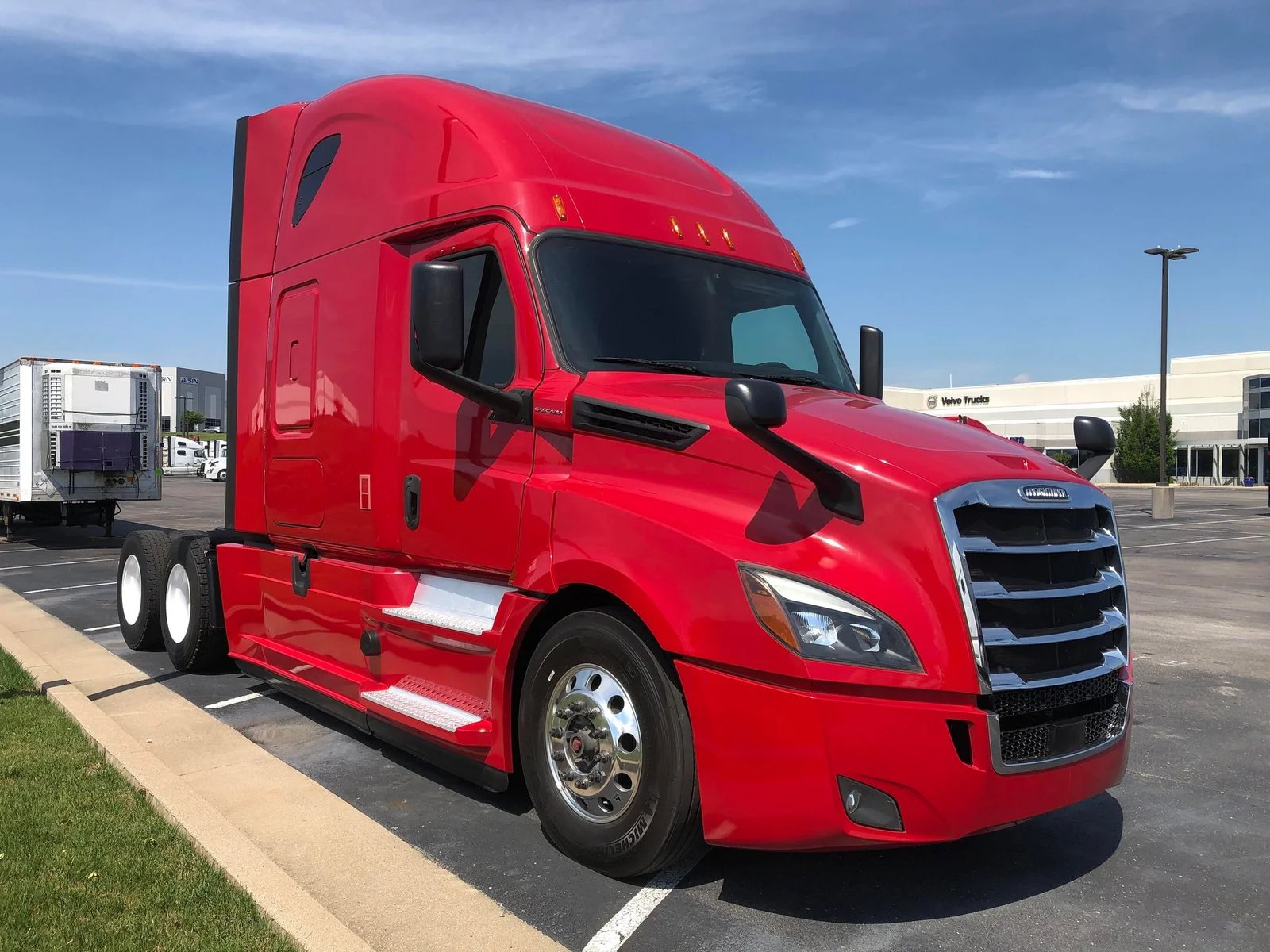
Mastering the art of negotiation in the commercial trucking industry requires a deep understanding of both the products being sold and the unique needs of buyers and sellers. This article outlines proven strategies for closing profitable truck and trailer deals, focusing on actionable workflows that dealers, brokers, fleet managers, and independent buyers/sellers can implement.
Finding Real Opportunities
Identifying genuine buying and selling opportunities starts with recognizing specific equipment types and understanding their respective markets. Commercial vehicles, such as semi-trucks, box trucks, work trucks, and trailers, each have their own customer bases and use cases.
-
Define Your Target Market:
- Equipment Type: Differentiate between heavy-duty trucks, lighter models, specialized trailers, etc.
- Use Cases: Understand your clients’ needs—whether for logistics, construction, or delivery services.
-
Research and Identify Potential Contacts:
- Utilize permitted public resources—business directories, industry reports, and local business registers.
- Attend industry trade events to network and gather leads.
- Leverage referrals from existing contacts to expand your reach.
Integrating tools like the TruckAndTrailerLeads Toolkit can enhance your efforts in identifying leads through structured market research. This platform offers insights and guides to help refine your target searches.
Building an Accurate Contact Database
An effective contact database isn’t merely a collection of names; it’s a resource of verified business contacts.
-
Verification and Segmentation:
- Ensure every contact is a legitimate business entity—confirm their identity and preferred communication channels.
- Deduplicate entries to maintain clarity in your database.
-
Segmentation Criteria:
- Organize contacts based on equipment type, location, budget, timing, decision-making authority, purchase intent, and lead source.
-
CRM Maintenance:
- Maintain a tailored CRM that tracks:
- Contact and source dates
- Permissions/preferences
- Notes on interactions and next actions
- Current deal stage (initial inquiry, follow-up, negotiation, closed)
- Maintain a tailored CRM that tracks:
A well-structured CRM allows you to move leads through the sales funnel systematically, making it easier to manage and close deals.
Qualifying Leads Effectively
Before diving into negotiations, it’s crucial to qualify your leads to ensure their readiness to make a purchase.
-
Establishing Needs:
- Ask open-ended questions about specifications, timelines, and budget to understand the buyer’s requirements.
-
Decision Makers:
- Identify and engage with the key decision makers within the organization.
-
Assessment Tools:
- Create checklists to evaluate potential deals based on set criteria, enhancing the negotiation’s effectiveness.
Through the TruckAndTrailerLeads Toolkit, you can utilize integrated features that simplify the qualification process, ensuring you’re engaging with genuinely interested prospects.
Effective First-Contact Messages
The initial outreach can set the tone for the relationship and the negotiation process. Craft your first messages with care.
-
Structure:
- Start with a friendly greeting, introduce yourself, and specify the reason for your outreach.
- Example: “Hi [Name], I’m [Your Name] from [Your Company]. We specialize in [specific type of trucks or trailers]. I noticed your recent inquiries and thought we could help meet your needs.”
-
Follow-Up Messages:
- Timing is essential. If you don’t receive a response, follow up respectfully.
- Sample: “Hi [Name], just reaching out to see if you had a chance to consider our last conversation. I’d love to assist you with [specific inquiry].”
Incorporating insights from Facebook Lead Generation Articles can offer additional strategies for crafting effective outreach messages.
Matching Inventory to Needs
Align your inventory with the needs you’ve identified through your qualification process, ensuring that you can deliver solutions specific to each inquiry.
-
Review Inventory:
- Ensure you have a comprehensive listing of vehicles or trailers, complete with specifications, conditions, and pricing.
-
Tailored Proposals:
- Customize proposals that highlight how your inventory meets the buyer’s requirements.
-
Inspections and Documentation:
- Arrange for equipment inspections, ensuring all documentation (such as service records and warranties) is readily available.
Navigating Objections and Negotiation Terms
Objections are a natural part of any negotiation. Preparing for these can build rapport and facilitate smoother discussions.
-
Anticipate Common Objections:
- Address potential concerns proactively, addressing common objections regarding price, specifications, and delivery times.
-
Supporting Data:
- Use historical data or case studies to illustrate the value of your offerings.
-
Negotiation Techniques:
- Utilize collaborative tactics, aiming for win-win outcomes. Use silence effectively; allow the buyer time to process information during discussions.
When negotiations heat up, maintaining a professional and respectful tone can often turn objections into opportunities for deeper collaboration.
Closing the Deal and Coordination
Finalizing a sale involves logistical coordination, including safe payment and handover arrangements.
-
Payment Coordination:
- Establish preferred payment methods early in discussions to ensure a smooth transaction.
-
Paperwork Preparation:
- Ensure all necessary paperwork is in order, including sales agreements, titles, and registration documents.
-
Scheduled Handover:
- Schedule a clear handover of the vehicle or trailer, providing your buyer with all relevant documentation and assistance.
Nurturing Relationships for Repeat Business
Post-sale interactions can lead to long-term relationships and referrals.
-
Follow-Up Communication:
- Send thank-you messages to express gratitude, ensuring the buyer knows you value their business.
-
Feedback Request:
- Ask for feedback to improve your offerings and understand customer satisfaction levels.
-
Referral Programs:
- Implement referral incentives to encourage satisfied customers to share your information within their networks.
A focus on relationship-building and ongoing support not only drives repeat business but also encourages clients to refer others.
Conclusion and Next Action Plan
Mastering negotiation in the truck and trailer market takes practice and the right strategies. By cultivating genuine relationships, organizing your contact database, and using proven qualification tactics, you can turn leads into closed deals.
Next Action Plan:
- Evaluate your current contact database and segment it based on the outlined criteria.
- Utilize the TruckAndTrailerLeads Toolkit to refine your identification process for qualified leads.
- Craft and send personalized outreach messages to potential buyers, incorporating empathetic follow-up strategies.
- Review your negotiation strategies and prepare for common objections to streamline the closing process.
With an understanding of negotiation nuances and a structured approach to building relationships, you’ll be well on your way to closing profitable truck and trailer deals.