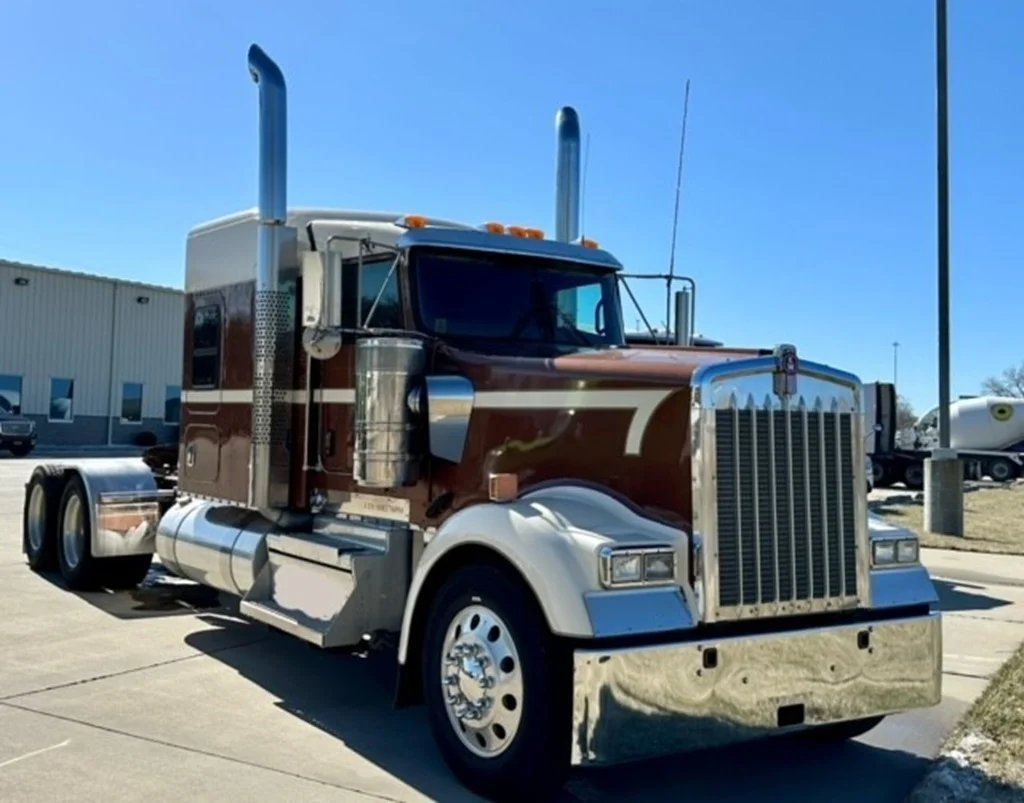
Understanding the importance of clear titles in commercial vehicle transactions is crucial for buyers and sellers alike. A clear title ensures that a vehicle is free of any liens or encumbrances, making the purchase process smoother and safeguarding investments. This guide will elucidate the significance of clear titles and provide practical steps for ensuring a seamless transaction.
What is a Clear Title?
A clear title indicates that the vehicle’s ownership is undisputed and that there are no legal claims against it. This status resonates particularly in commercial vehicle transactions where reliability and legality are paramount. Unlike vehicles with salvage titles or those that have been involved in significant accidents, a clear title provides assurance to buyers regarding the vehicle’s history and condition.
Why Clear Titles Matter
1. Legal Protection
Clear titles protect both buyers and sellers. For buyers, it eliminates the risk of acquiring a vehicle burdened with unpaid debts that the previous owner might have incurred. For sellers, it provides peace of mind that they are transferring full ownership without any future legal repercussions.
2. Market Value and Resale Potential
Vehicles with clear titles tend to maintain higher market values. Buyers often prefer clear titles when evaluating potential purchases, leading to better resale opportunities for current owners. This is especially important in the commercial vehicle industry, where depreciation can significantly impact profits.
3. Financing Opportunities
Obtaining financing is often more straightforward for vehicles with clear titles. Lenders are generally more willing to provide loans for vehicles that are free of liens, as they’re seen as lower risk. This can be a significant advantage for businesses looking to expand their fleets.
Steps to Verify a Clear Title
To ensure a clear title, follow these practical steps:
1. Obtain the Vehicle Identification Number (VIN)
Before you proceed, make sure you have the VIN. This unique code identifies the vehicle and is essential for title verification.
2. Conduct a Title Search
Check state and national databases for the title history. This will reveal any past liens or issues. You can usually find this information through your state’s motor vehicle department.
3. Request Title Documents
Ask the seller for the original title document. Examine it for any signs of alterations, as these could indicate problems.
4. Verify Owner Information
Ensure that the seller’s name matches the name on the title. Discrepancies can signify potential issues that need resolving before completing the transaction.
5. Check for Liens
Contact any financing companies associated with the vehicle to confirm there are no outstanding liens. This step is crucial to avoid unexpected claims on the vehicle after purchase.
Potential Trade-offs in Title Transactions
While obtaining a clear title is beneficial, there are trade-offs to consider:
1. Time and Effort
Conducting a title search can be time-consuming. However, this effort is essential to ensure a hassle-free transaction.
2. Cost Implications
Title search fees and potential lawyer fees for legal advice can add to your expenses. Weigh these costs against the potential risks of not verifying a title before purchase.
3. Availability of Information
Access to title information may not be readily available in every state. Ensure you know where and how to obtain this information ahead of time.
Takeaway
In commercial vehicle transactions, having a clear title is a fundamental aspect that can determine the success of your investment. From legal protection to improved financing options, understanding and verifying a clear title is key to making confident, informed decisions. Take the time to conduct thorough checks and ensure that both you and the vehicle are in good standing before proceeding with any purchases.
Frequently Asked Questions
What if the title has a lien listed?
If a lien is listed on the title, you must contact the lienholder to discuss the outstanding debt and the process for clearing the lien before proceeding with your purchase.
How do I transfer a title once the purchase is complete?
To transfer a title, both the buyer and seller must complete the relevant section on the title document and submit it to the state’s motor vehicle department, often with a fee.
Can I buy a commercial vehicle with a salvage title?
Yes, but proceed with caution. Vehicles with salvage titles may have extensive damage history and may not be eligible for standard financing or insurance. Always assess the risks carefully.
What if the seller cannot provide a title?
Without a title, you should be very cautious. The transaction should typically not proceed. Consider the reasons for the lack of title and verify them thoroughly before moving forward.
Is title insurance necessary for commercial vehicles?
While not required, title insurance can provide additional security against future claims on the vehicle title. It may be worth investigating if you’re concerned about potential risks.