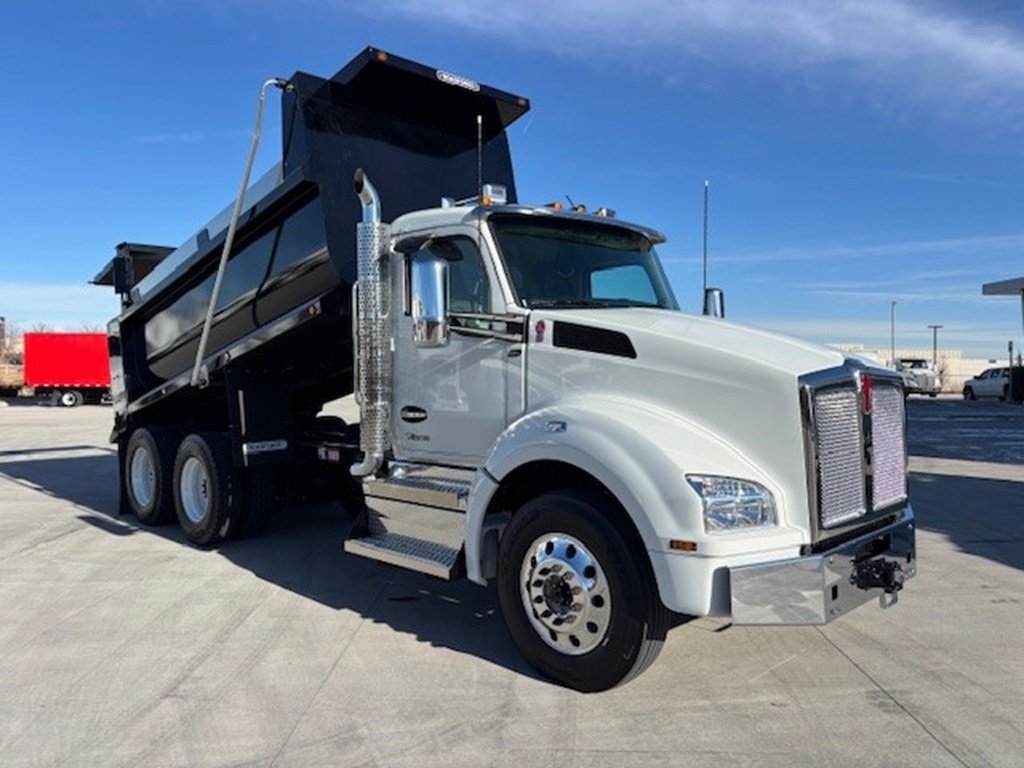
Purchasing a used semi truck is a significant investment that requires thorough evaluation. This guide provides a step-by-step approach to inspecting a used semi truck, ensuring you make an informed choice before spending your money. From mechanical checks to document verification, paying attention to the right details can save you from costly repairs down the line.
Why Inspecting a Used Semi Truck Matters
When buying a used semi truck, its condition can significantly influence your operational costs and efficiency. An extensive inspection helps identify issues that may not be apparent at first glance. A well-inspected truck not only serves your business better but also retains its value longer.
Pre-Inspection Preparation
Before conducting a physical inspection, gather vital documents and information about the truck.
- Vehicle History Report: Obtain the truck’s history report using its Vehicle Identification Number (VIN), which can reveal past accidents, title issues, or odometer discrepancies.
- Maintenance Records: Request maintenance records from the seller to understand past repairs, service intervals, and any recurring issues.
- Inspection Checklist: Prepare an inspection checklist to ensure no detail is overlooked.
Visual Inspection Steps
Start with a thorough visual examination of the truck to assess its overall condition.
1. Exterior Examination
- Check for rust, dents, and scratches on the body.
- Examine the condition of the paint and any signs of previous bodywork.
- Inspect the lights, windows, and mirrors for functionality and clarity.
2. Tire Condition
- Look for even wear on tires, which can indicate alignment issues or weight problems.
- Examine the tread depth and any visible cracks or bulges.
- Check tire pressure, ensuring it meets the manufacturer’s specifications.
3. Under the Hood
- Inspect fluid levels (oil, coolant, brake fluid) and look for leaks.
- Check the battery for corrosion or age (typically, replace every 3-5 years).
- Examine belts and hoses for wear or cracks.
4. Interior Inspection
- Assess the condition of seats, dashboard, and controls for any functionality issues.
- Test the air conditioning and heating system.
- Check for signs of water damage or mildew.
Mechanical and Performance Checks
After the visual inspection, carry out mechanical and performance tests.
5. Engine Performance
- Start the engine and listen for unusual noises, such as knocking or excessive rattling.
- Monitor exhaust smoke color—blue or black smoke can indicate engine issues.
- Take the truck for a test drive, checking acceleration, braking, and shifting.
6. Brake System Examination
- Inspect brake pads, rotors, and drums for wear.
- Test brake responsiveness and listen for squeaking or grinding noises.
Documentation Verification
Ensure all paperwork is in order before finalizing your purchase.
- Title Status: Verify that the title is clear and confirm that it matches the VIN.
- Odometer Reading: Ensure the odometer reading matches the history report and maintenance records.
- Vehicle Specifications: Confirm that the truck meets the specifications you require for your business needs.
Trade-offs to Consider
Before finalizing your purchase, ponder the trade-offs associated with your choice:
- Older trucks may be cheaper, but they often come with higher maintenance costs.
- Higher mileage vehicles may still be in good condition, but consider the lifespan left before major repairs are necessary.
- A truck with upgraded features may have a higher resale value, possibly justifying a higher price.
Concise Takeaway
Conducting a thorough inspection of a used semi truck is crucial to making a sound investment. By following the steps outlined in this guide, you can identify potential issues and ensure that you’re purchasing a vehicle that will serve your business well.
Frequently Asked Questions
1. How can I tell if a used semi truck has been in a major accident?
Look for signs of extensive bodywork, such as mismatched paint, uneven gaps between panels, or signs of frame repair. A vehicle history report can also reveal accident history.
2. What are common issues to look for in high-mileage trucks?
High-mileage trucks may exhibit engine wear, transmission problems, and brake system issues. Be sure to check for routine maintenance records that indicate how well the vehicle has been cared for.
3. Should I hire a mechanic for a pre-purchase inspection?
Bringing in a qualified mechanic is advisable, especially if you’re not familiar with mechanical systems. They can provide a thorough analysis that goes beyond the visual inspection.
4. What warranties or guarantees should I expect with a used semi truck?
Warranties can vary widely depending on the seller and the truck’s age. Be sure to clarify any warranties on parts or residual truck conditions before purchasing.
5. Can I negotiate the price after the inspection?
Absolutely. If the inspection reveals issues, use this information as leverage to negotiate a lower price or request repairs before closing the deal.
Related Tools and Guides
For those looking to promote their used semi trucks or streamline buyer inquiries, the following resources may be helpful:
- Facebook Lead Generation Articles – Learn effective strategies for generating leads using Facebook for your truck sales.
- LinkedHelper – Automate your LinkedIn outreach, which can aid in reaching potential buyers.
- Group Leads for Facebook (legacy) – Utilize group leads to connect with more potential clients, but verify current terms and functionalities.
If you’re looking for more comprehensive tools, visit the TruckAndTrailerLeads Toolkit for additional insights and resources.