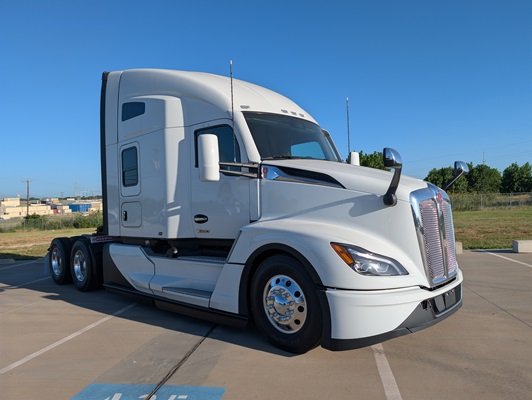
Choosing the right size and type of commercial truck for your business isn’t just a matter of preference—it’s a vital decision that can impact your operational efficiency and bottom line. To ensure you select the best vehicle for your needs, consider the following key factors.
Evaluate Your Business Requirements
Before you start looking at trucks, take a moment to map out your specific requirements:
- Types of Goods Transported: Are you transporting bulk materials, perishable goods, or specialized equipment? The nature of your cargo will significantly influence the type of truck you need.
- Delivery Zones: Consider your delivery areas. Will you be operating in urban environments with tight spaces, or will you be traversing rural roads? This will affect the size and maneuverability of the truck you should select.
- Frequency of Use: Determine how often you will be using the truck. Daily use may justify investing in a new vehicle, while occasional use might make leasing or purchasing a used truck more feasible.
Determine the Right Size
Size directly impacts both performance and cost. Here’s how to narrow it down:
1. Assess Payload Capacity
Payload capacity is fundamental. Calculate the weight of your typical cargo and ensure that the truck can handle this load comfortably. Remember that exceeding weight limits can lead to fines and damage to the vehicle.
2. Consider Engine Power and Fuel Efficiency
Engine power affects operating costs. A more powerful truck may cost more due to higher fuel consumption, but it can also handle heavier loads more efficiently. Weigh the trade-offs carefully.
3. Evaluate Cargo Space
Look at the interior space available for your cargo. Different truck models offer varied cargo dimensions, and ensuring you have enough space for your goods is essential.
Understanding Types of Commercial Trucks
Once you’ve assessed your size requirements, consider the different truck types:
Box Trucks
Ideal for moving furniture and larger items, box trucks provide enclosed cargo areas and offer high loading capacity.
Flatbed Trucks
These trucks allow for easy loading and unloading of heavy equipment, but they lack protection from environmental factors.
Refrigerated Trucks
Best for transporting perishable goods, these trucks offer temperature-controlled environments and are essential if your business deals with food or pharmaceuticals.
Vans
Ideal for smaller deliveries, cargo vans are excellent for businesses that need to transport lighter materials in urban areas.
Cost Considerations
Understanding your financial constraints is critical. Here’s what to keep in mind:
1. Purchase Cost
The upfront cost of a commercial truck can vary significantly based on type, size, and new vs. used status. Take time to compare prices but focus on value for the money rather than solely cost.
2. Operating Costs
Fuel, insurance, and maintenance can heavily impact your budget. Ensure you consider these ongoing expenses when selecting a vehicle. For some, a new truck may offer lower operating costs, while others might find a used truck fits their budget better.
3. Financing Options
Explore your financing options. Different lenders may offer varied terms and interest rates. Research to find the best terms that align with your business cash flow.
Legal and Regulatory Requirements
Before making a purchase, it’s essential to verify all relevant legal requirements:
- Licensing: Check if you need specific licenses to operate commercial vehicles in your state.
- Insurance: Adequate insurance is required for commercial vehicles, and rates can differ significantly based on vehicle type and usage.
- Maintenance Regulations: Some jurisdictions may have regulations concerning the maintenance of commercial vehicles. It’s wise to keep up with these to avoid fines.
Testing and Validation
Before finalizing your purchase, take the following steps to validate your choice:
- Test Drive: Always take a test drive to evaluate the vehicle’s comfort, handling, and functionality.
- Inspection: Consider hiring a qualified inspector to assess a used vehicle before purchase. This can prevent costly surprises later.
- Check Reviews: Look into reviews of the vehicle model you’re considering. Other owners’ experiences can highlight potential issues.
Concise Takeaway
Choosing the right commercial truck for your business is an essential decision. Start by assessing your business needs, evaluating truck sizes, understanding different types of vehicles, considering financial implications, and ensuring compliance with legal requirements. Always take the time to validate your choice through test drives and inspections. The right truck will enhance your operational efficiency and contribute positively to your bottom line.
FAQs
What is the best way to finance a commercial truck?
Explore various financing options such as business loans, leasing, or using a credit line. Compare interest rates and terms from different lenders to find the best deal.
Are there specific maintenance requirements for commercial trucks?
Yes, commercial trucks often have specific maintenance needs that may be regulated by state laws. Keeping up with routine maintenance is crucial to ensure safety and compliance.
How do I determine the total cost of ownership for a commercial truck?
Consider the purchase price, insurance, fuel costs, maintenance expenses, and potential financing costs over the truck’s lifespan to get a full picture of ownership costs.
Can I use a personal truck for commercial purposes?
This depends on your state’s regulations. Many states require commercial insurance and specific licensing when using a vehicle primarily for business purposes. Verify with local authorities.
Related tools and guides
For those looking to enhance their online presence and generate leads, consider checking out the Facebook Lead Generation Articles to help reach potential buyers effectively.
Also, familiarize yourself with the full TruckAndTrailerLeads Toolkit guide for additional resources to assist in your purchasing journey.