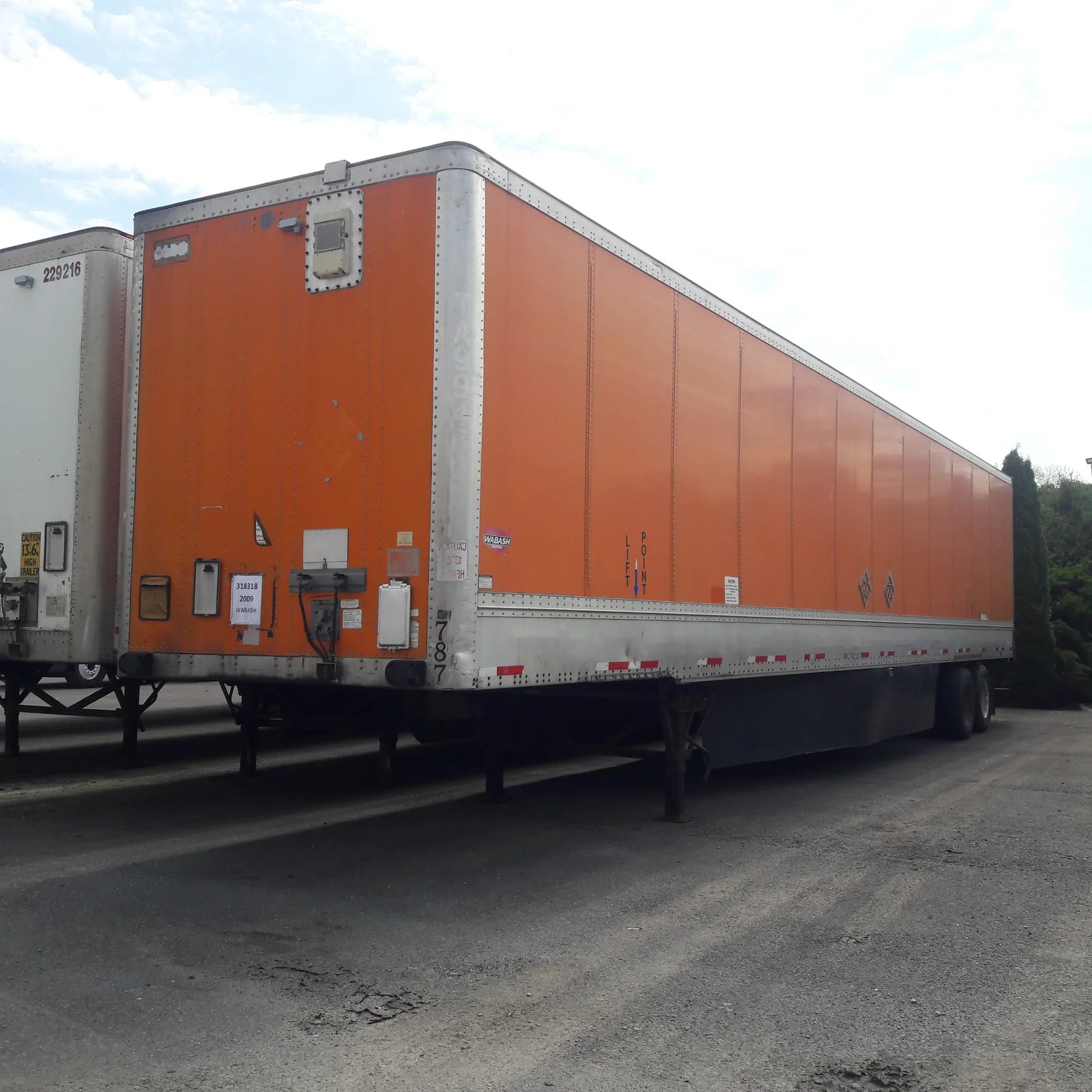
Negotiating the best price on used trucks requires preparation, research, and tactical skill. Understanding your needs, knowing the truck market, and being strategic in your negotiations can save you a significant amount of money. This guide outlines effective strategies to help you achieve the best deal on your next used truck.
Understand Your Needs and Budget
Before engaging in negotiations, clarify your specific needs:
- Determine Usage: Identify whether the truck will be used for personal needs, commercial purposes, or both.
- Define Features: List essential features (e.g., size, towing capacity, fuel efficiency).
- Set a Budget: Understand your financial limits and consider additional costs (insurance, maintenance, and fuel).
Research the Market
Knowledge is power in negotiations; therefore, research is crucial:
- Check Prices: Look at various listings on platforms like Truck and Trailer Leads to gauge average market prices.
- Vehicle History: Use VIN checks to understand the truck’s history such as accidents, ownership changes, and service records.
- Inspect Similar Models: Familiarize yourself with similar trucks to assess value and identify potential opportunities.
Prepare for Negotiations
Preparation lays the groundwork for successful negotiations:
- Document Findings: Keep notes on your research, including average prices and specific vehicle conditions.
- Be Aware of Seller Motivation: Understand why the seller is selling the truck; this can impact negotiation dynamics.
- Plan Your Opening Offer: Aim to start lower than your maximum budget to provide room for negotiation.
Conducting the Negotiation
Here’s how to effectively negotiate once you’re at the table:
1. Establish Rapport
Build a connection with the seller to create a more amicable negotiating environment:
- Engage in friendly conversation and show genuine interest.
- Listen actively to the seller’s perspective.
2. Make Your Case
When presenting your offer, back your position with research:
- Use your research to justify your initial offer.
- Highlight similar truck prices and issues found.
3. Be Prepared to Walk Away
One of the strongest negotiating tactics is your willingness to walk away:
- If the terms aren’t favorable, don’t hesitate to leave the table.
- This may prompt the seller to reconsider and offer a better deal.
Post-Negotiation Considerations
Once you agree on a price, make sure to verify the following:
- Vehicle Inspection: Hire a qualified inspector to look for any hidden issues.
- Verify Paperwork: Ensure all paperwork, including title and registration, is in order before finalizing the purchase.
- Understand Payment Terms: Ensure the payment method and timing are clear to avoid future complications.
Conclusion
Negotiating for the best price on a used truck involves thorough preparation, informed decision-making, and assertive tactics. Always remember that the goal is not just to get a good price, but to ensure the truck is the right fit for your needs and is in good working condition. By using the strategies outlined in this guide, you’ll be well-equipped to navigate the negotiation process effectively.
FAQs
1. How can I determine if a used truck is a good deal?
Compare the asking price against similar trucks in the market, considering their conditions, mileage, and features. Utilize online listings and market analyzers to assess fair pricing.
2. What should I look for during a physical inspection?
Check for signs of wear and tear, engine condition, tire wear, and fluid leaks. Request maintenance records to ensure regular servicing has been performed.
3. How important is the vehicle’s history report?
A history report provides insights into accidents, title issues, and service history, which can be pivotal in negotiating a lower price if there are any red flags.
4. Should I consider financing options before negotiating?
It’s wise to assess your financing options in advance; knowing your budget limits will help you negotiate confidently. However, maintain flexibility throughout the process.
5. Is it worth getting a third-party inspection?
Yes, a third-party inspection can uncover issues you might miss and provide leverage in negotiations for price reductions or repairs before purchase.