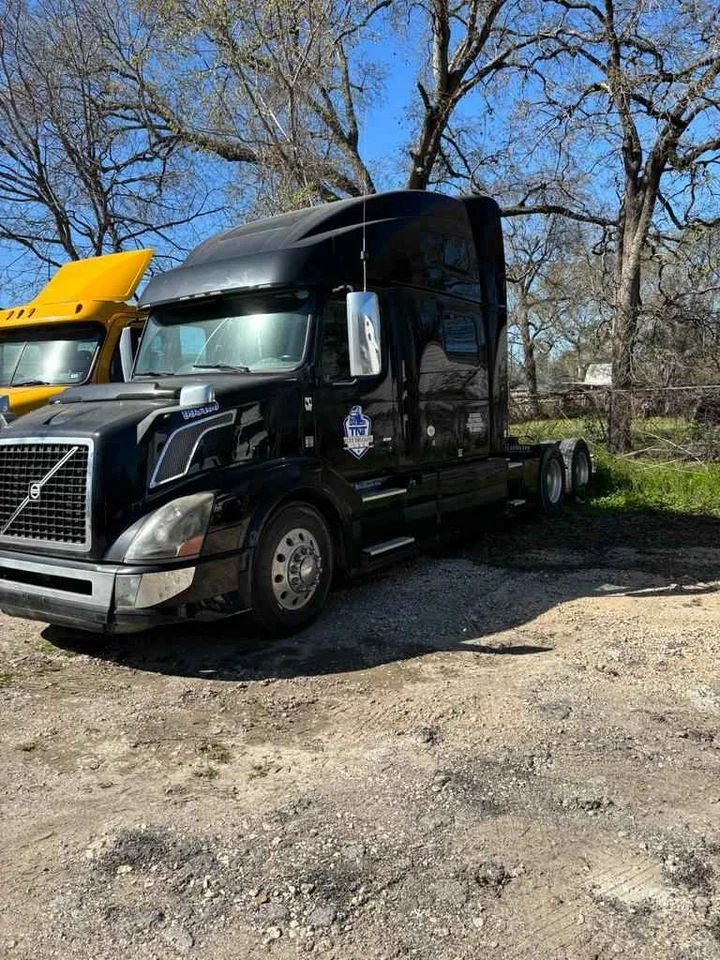
A useful truck-sales contact list distinguishes a business that fits your market from a person who has actually expressed a need. Public carrier information can support research, but it does not prove buying intent or permission for every kind of outreach. Build a record you can verify, explain, update, and suppress when someone asks not to be contacted.
Define the equipment and the opportunity separately
Start with one practical segment, such as businesses operating a relevant equipment type within your service area. Then record evidence of a need separately: a direct inquiry, an authorized referral, or a conversation about a specific replacement. Do not label every carrier in a state an active buyer.
A minimum useful record
| Field | What belongs there | What to avoid |
|---|---|---|
| Business identity | Company name, location, official website, and relevant business identifier | Merging unrelated companies because their names resemble each other. |
| Source and date | Where the information came from and when you checked it | Calling a record current without a check date. |
| Contact role | Published business contact or person’s stated responsibility | Assuming a listed driver makes purchasing decisions. |
| Need and evidence | Equipment, specifications, timeframe, and the source of the statement | Invented budget or purchase intent. |
| Outreach status | Applicable permission, restrictions, channel preference, and opt-out status | Treating public visibility as universal consent. |
| Next action | A specific owner and agreed or appropriate next step | Indefinite automated follow-up with no reason. |
Use a simple qualification ladder
- Research record: the business appears relevant; its need is unknown.
- Identity checked: official sources support the business and contact details.
- Need discussed: someone has described an equipment requirement.
- Opportunity qualified: specifications, timing, decision process, and practical constraints are understood.
- Closed or inactive: record the outcome and whether future contact is appropriate.
These are workflow labels, not a scoring system that predicts a sale. Move a record only when you have evidence for the next stage.
Deduplicate without losing restrictions
Compare business identifiers, official domains, addresses, and verified contact details. Keep branches or different purchasing roles distinct when appropriate. When merging duplicates, retain source history and the most restrictive applicable do-not-contact status. Deleting an opt-out record can allow the same address to be reimported and contacted again.
A fictional worked example
Your research finds “Example Regional Logistics” operating in your service region. The initial entry is a research record with buying intent marked unknown. Later, an authorized purchasing contact asks about two used refrigerated trailers within a stated specification range. You can now record that request, the date, the agreed follow-up, and the person’s preferred channel. Do not expand “two trailers” into “large fleet expansion” or claim financing is approved.
Ask questions that prevent mismatched offers
- Which equipment specifications are essential, and which are flexible?
- What operating conditions must the equipment suit?
- What is the desired timeline, and what could delay it?
- Who evaluates condition, approves the purchase, and arranges payment?
- What information would make the next conversation useful?
Ask rather than inferring sensitive details or purchasing authority from a job title alone. Keep notes factual and relevant to the business relationship.
Check outreach rules before sending
The FTC’s CAN-SPAM business guide explains U.S. commercial email requirements, including accurate sender information and subject lines, required identification and address information, and a working opt-out process. Business-to-business email is not automatically exempt. The FTC says opt-outs must be honored within ten business days.
This is not a complete compliance checklist. Email, calls, texts, international recipients, privacy obligations, and platform terms can involve different rules. Get appropriate advice for your outreach process. Do not claim that a lead list or this website certifies permission to contact everyone in it.
Write a truthful first message
Illustrative opening: “I’m [name] at [business]. We handle [specific equipment]. I found your published business contact while researching companies in [area]. If you handle equipment purchasing, would a current specification sheet be relevant?” Use only facts you can support and include the identification and opt-out information required for your actual message.
Do not follow up with “regarding your interest” unless the recipient actually expressed interest. Stop when requested and record that restriction across the systems you use.
Review quality rather than list size
Track records with checked sources, unresolved identity questions, confirmed needs, stale details, and suppression status. A smaller list with explainable evidence is easier to maintain than a large list filled with assumed intent. Use the commercial vehicle research guide and the site’s data-removal information for context. Regulatory source checked November 1, 2026.