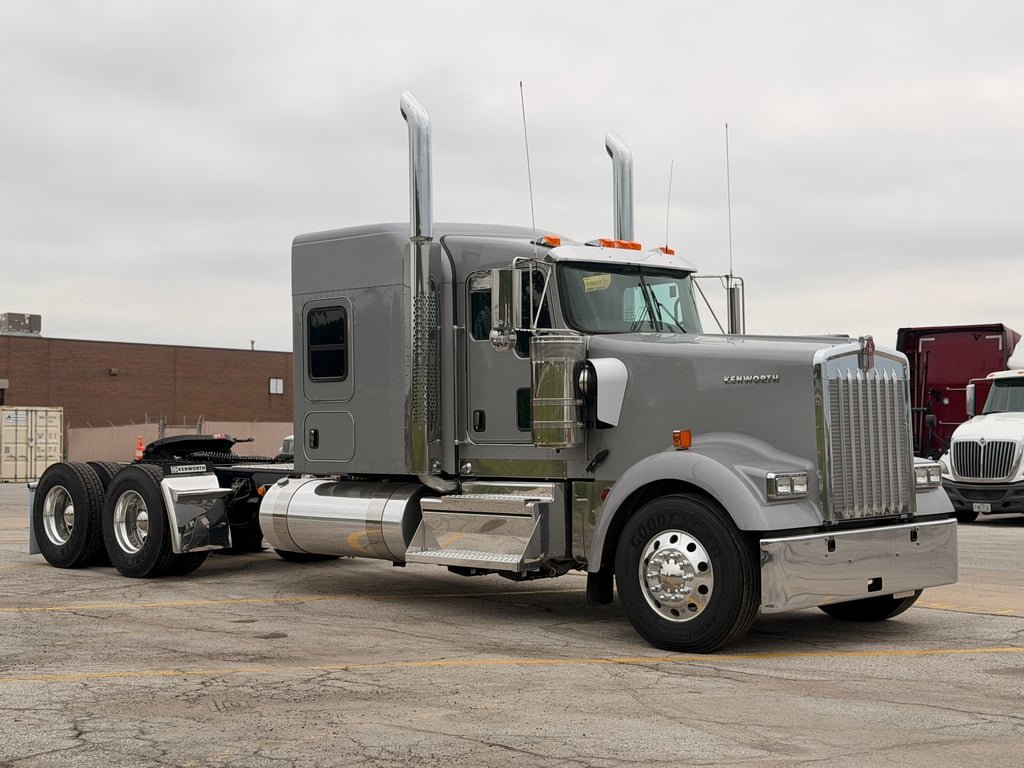
Choosing the right size box truck for your business is crucial to maximizing efficiency, minimizing costs, and meeting your specific operational needs. The right truck not only supports your logistics but can also influence your overall business success. Here’s a comprehensive guide to help you select the ideal box truck for your operations.
Understand Your Business Requirements
Before diving into box truck sizes, it’s essential to assess your business needs. Start by asking yourself a few key questions:
- What do you plan to transport? Consider the type of goods you’re handling—furniture, electronics, food, or construction materials—and their sizes and weights.
- How frequently will you need the truck? Identify whether your needs are seasonal or year-round to determine if a purchase or lease is more beneficial.
- What routes will the truck take? Assess whether you plan to operate in urban areas with narrow streets or open highways that might require different truck dimensions.
- How many employees will be involved in the loading/unloading process? This can help dictate the accessibility requirements of your box truck.
Common Box Truck Sizes
Box trucks typically come in a variety of sizes, with common measurements based on payload capacity and cubic volume:
- 10-12 Feet: Best for small deliveries, ideal for urban environments.
- 14-16 Feet: Suitable for light goods like small furniture and appliances, excellent for local businesses.
- 20-24 Feet: Perfect for moving larger items or multiple pallets; often used by logistics companies.
- 26 Feet: The maximum size for drivers with only a standard driver’s license. Great for larger moves.
Assessing Payload and Volume Capacity
Choosing the right size box truck also involves understanding its payload and volume capacities. Follow these steps:
- Calculate the weight of your typical loads: Keep a record of the items you frequently transport and their weight.
- Dive into cubic volume: Ensure the truck can accommodate the physical space required for your goods without compromising safety.
- Consider additional equipment: If you need pallets, dollies, or other equipment, ensure there’s enough space while respecting weight limits.
Trade-offs and Considerations
Every choice comes with trade-offs. It’s important to consider the following:
- Size vs. Maneuverability: A larger truck may offer more space but can be harder to navigate in tight spots. Determine if your operations occur in metropolitan areas or rural settings.
- Fuel Efficiency vs. Load Capacity: Larger trucks often consume more fuel. Assess how much volume you typically carry against the fuel costs involved.
- Initial Investment vs. Long-Term Use: If your business is in a growth phase, consider whether it makes more sense to invest in a more extensive fleet of smaller trucks or a few larger trucks.
Verifying Before You Buy
Do thorough verification before making any purchase:
- Check for compliance: Ensure that the truck meets local regulations, especially for commercial vehicles.
- Inspect the truck: Obtain a quality inspection report. Assess mileage and history before purchasing a used vehicle.
- Understand warranties and financing options: Check for coverage and terms to avoid unexpected expenses.
Takeaway
Choosing the right size box truck involves careful consideration of your specific business needs, the types of goods you transport, and the operational constraints you face. By assessing these factors, you can make an informed decision that optimizes efficiency and adds value to your business.
Frequently Asked Questions
1. What’s the ideal size box truck for urban deliveries?
A 10- to 12-foot box truck typically works best for urban settings, where maneuverability and parking can be challenging.
2. How can I determine the payload capacity I need?
Assess the weight of your typical loads over a month. This will help you to choose a truck that can comfortably handle your needs without exceeding limits.
3. Is it better to buy or lease a box truck?
This depends on your business model. For seasonal needs, leasing can be effective, while purchasing may be better for long-term operations.
4. Are there licenses required for operating a box truck?
Licensing requirements vary by state and the weight of the truck. Always check with your local motor vehicle department for specifics.
5. How can I market my box truck services effectively?
Utilize online platforms and social media. Explore tools like those provided in our TruckAndTrailerLeads Toolkit for guidance on lead generation and marketing efforts.
Related tools and guides
To optimize the promotion of your truck services, consider exploring the following tools:
- Facebook Lead Generation Articles for strategies to leverage social media in your marketing efforts.
- LinkedHelper to manage your LinkedIn outreach effectively.
- Group Leads for Facebook to help manage inquiries from Facebook groups.